EXCESS SOILS
The excavated materials generated by civil construction jobs like utility trenching, road work, and site development—when soil can’t be reused on-site as-is.
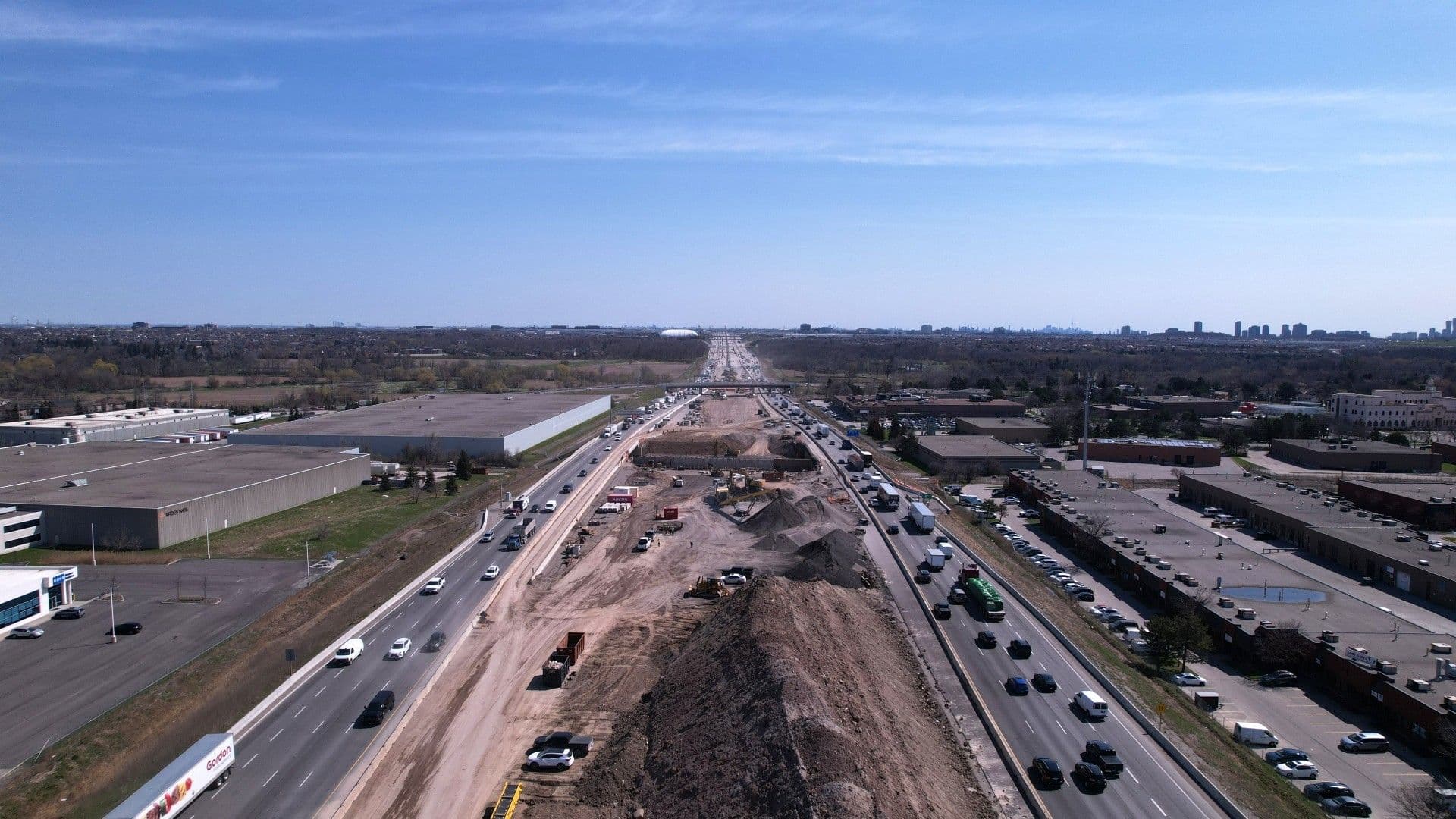

Excavated Soils, Solved
Every civil job creates excess soil. Trench spoils, basement digs, road widening, utility work, site cuts, material that can’t be reused immediately ends up stockpiled, hauled, and tipped. The issue usually isn’t volume. It’s variability: one load is granular and workable, the next is clay-bound fines, organics, debris, or material that needs tighter handling.
Excess is Everywhere
Excess soil shows up everywhere: utility trenching for water, sewer, storm, gas, and electrical; road and highway work; site development and foundations; municipal infrastructure upgrades; and redevelopment projects where materials can vary from clean to questionable across the same footprint. When the soil quality is inconsistent, the default decision often becomes “treat it all as waste,” even when a large portion could be recovered and reused.
Excess soil is any excavated material that can’t be directly reused on-site as-is. Common sources include:
- Road and highway projects (subgrade, shoulder work, drainage improvements)
- Utility trenching (water, sewer, storm, gas, electrical)
- Site development and foundation excavation
- Brownfield redevelopment and industrial upgrades
- Rail, port, and municipal infrastructure work
The challenge is consistency. One load might be clean sand and gravel. The next might be clay-bound fines, organics, or debris, and the whole project pays the price when everything is treated like waste.
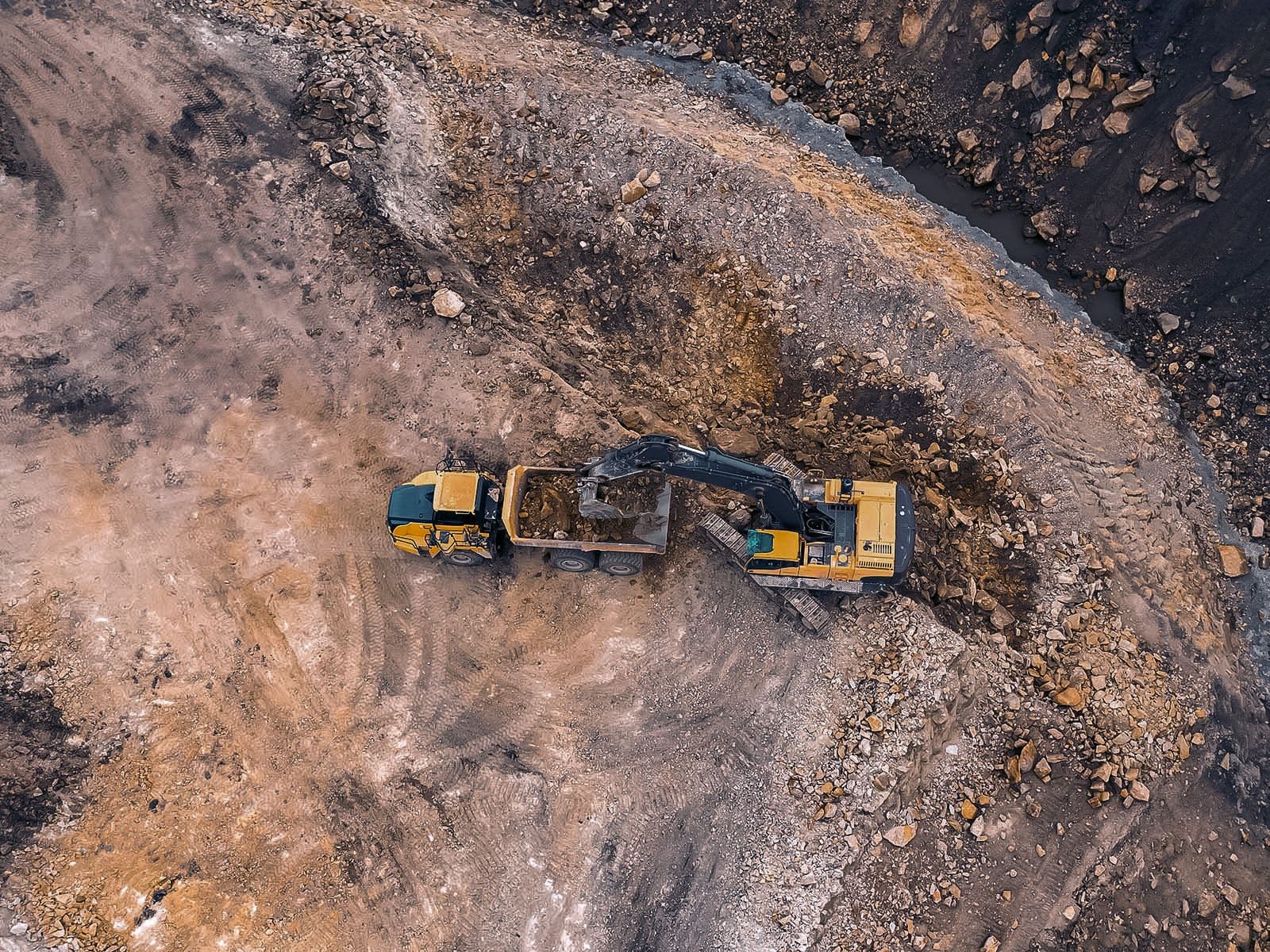
Worth a Wash

Utility Trench Spoils
Inconsistent trench spoils get hauled and tipped. Washed sand and aggregate are recovered for backfill/blending, fines are managed separately.
Road Rehab and Widening
“Dirty granular” soils become waste due to contamination risk and variability. Washing removes oversize and debris, granular is cleaned and sized, fines are concentrated for handling.
Site Excavation
High clay content prevents reuse; drying and handling costs climb. Washing separates clay/fines from coarse fractions to improve reuse and stockpile performance.
Brownfield Redevelopment
Uncertainty drives worst-case disposal decisions. Soil washing can help recover usable fractions and reduce the total volume requiring specialized disposal (site-and regulation-dependent)
Sustainability Benefits You Can Measure
Soil washing supports sustainability in the way civil contractors actually experience it: fewer truckloads, less waste, and more material put back to work. By keeping recoverable soil in your workflow, you can cut landfill disposal and reduce outbound hauling. And when washed sand and aggregate are reused on-site or nearby, you offset virgin aggregate demand and the trucking that comes with importing new material. It’s a practical, jobsite-level shift from “dig and dump” to “recover and reuse.”
Explore What’s Possible with Soil Washing
Learn how washing can recover value from contaminated soils.
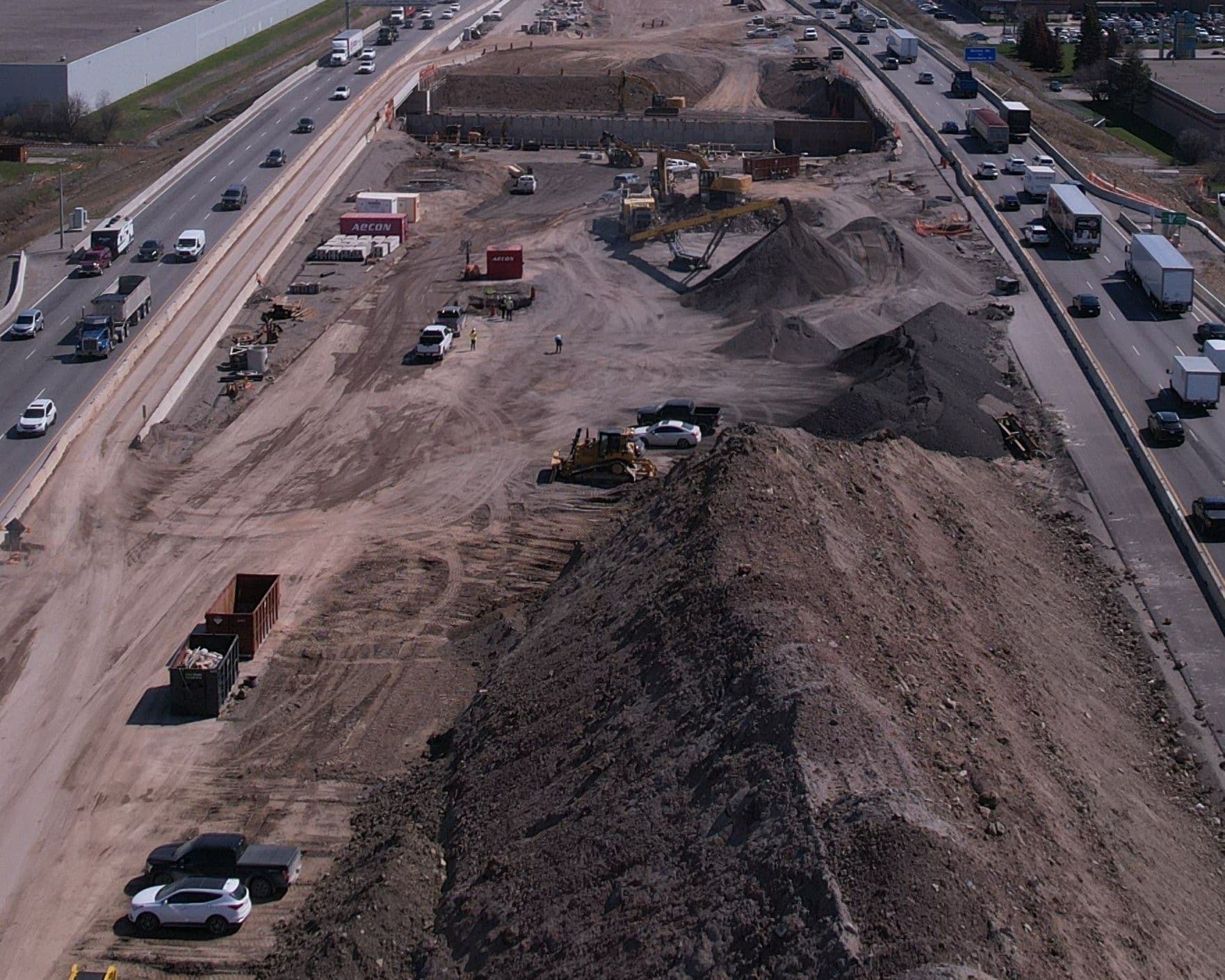
Let Us Clarify the Guesswork.
Turn high-cost material into a controlled process. Whether you’re exploring feasibility or ready to design, we’ll walk through the details and the next steps. Let’s talk soil washing.